
Welcome to Supreme Steel Workshop Advance Coating and Finishing, one of the most trusted names in UAE, where craftsmanship meets cutting-edge technology. With over 15 years of industry experience, we’ve established ourselves as a leading force among metal companies known for precision, durability, and aesthetics in every finish. Whether you’re an architect, interior designer, contractor, or business owner, we provide comprehensive metal fabrication PVD and electroplating finish in UAE that bring your vision to life—on time and with unmatched quality.

Our Specialties


Metal coating in uae | metal coating companies in dubai | metal coating companies in Sharjah | metal coating in ajman | metal coating in Sharjah | metal coating dubai

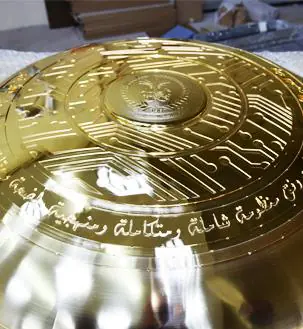
Gold
 
Metal coating in uae | metal coating companies in dubai | metal coating companies in Sharjah | metal coating in ajman | metal coating in Sharjah | metal coating dubai
 
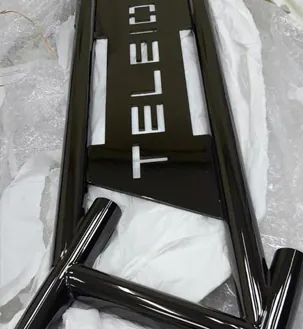
Black
 
Metal coating in uae | metal coating companies in dubai | metal coating companies in Sharjah | metal coating in ajman | metal coating in Sharjah | metal coating dubai
 
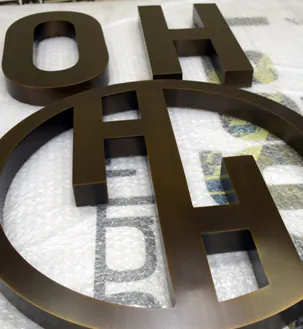
Antique
 
Metal coating in uae | metal coating companies in dubai | metal coating companies in Sharjah | metal coating in ajman | metal coating in Sharjah | metal coating dubai
 
Copper
 
Metal coating in uae | metal coating companies in dubai | metal coating companies in Sharjah | metal coating in ajman | metal coating in Sharjah | metal coating dubai
 
Brass
 

Electroplating

Electroplating is a process of depositing a thin layer of metal onto a conductive surface. The process involves placing the object to be plated, known as the substrate, into a solution containing ions of the metal to be deposited. An electrical current is then passed through the solution, causing the metal ions to bond to the substrate and form a thin, durable coating. The thickness and quality of the coating can be controlled by adjusting the electrical current and the composition of the plating solution.

In other words, the product is dipped into a solution of salt and metal pieces, which is then charged electronically, causing the small metal pieces to stick to the original product.
This is done to improve the base metal’s appearance and durability. It is most commonly found in products made of brass, copper, iron, nickel, titanium, or zinc.

Electroplating is commonly used for door hardware finishes such as brass, chrome, and nickel, but custom finishes in bronze, black, and many shades in between can also be applied.


PROS
CONS
  • More durable than powder coating
  • Less durable than PVD
  • Finish looks great and usually unique


  • Electroplating is often not seen as environmentally friendly.
  • Commonly used throughout Australia so availability is high
  • Electroplating often requires many layers to achieve the desired finish or durability
 
  • More expensive than powder coating.
 
  • Different batches of electroplated door hardware can be inconsistent.
 
  • Can be adversely affected by some cleaning chemicals


Physical Vapor Deposition (PVD)

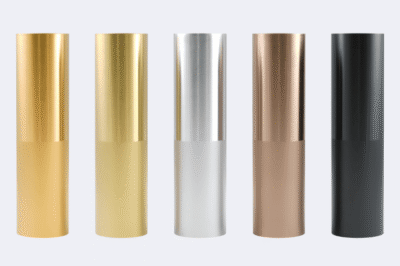
Physical Vapor Deposition (PVD) is a vacuum process used to deposit a thin layer of metal onto a surface, creating a durable and wear-resistant finish. It is a popular choice for door hardware and tapware due to its long-lasting properties. Unlike electroplating, PVD does not require a clear or top coat to maintain its durability. This process is commonly used on materials such as titanium, zirconium, aluminium, stainless steel, and copper.
 

PROS
CONS
  • Most durable of all three methods
  • In small orders, PVD can often be very expensive.
  • PVD provides a hard, scratch-resistant, and durable metal finish.
  • As of February 2023, no door hardware manufacturer is coating door hardware with a PVD finish in Australia
  • PVD finishes are highly resistant to corrosion and discoloration, making them ideal for high-traffic areas.
  • As the process is not done in Australia, the lead times can be quite long
  • PVD can be used to create a variety of metal finishes, including gold, black, and bronze.
  • As with electroplating, different batches can have differing shades of coating.
  • PVD if often more environmentally friendly than electroplating
 
  • When ordered in large quantities PVD finished hardware can often be cheaper then electroplating or powder coating.


Powder Coating

Powder coating is a dry powder application process that creates a hard and even metal finish. The process involves electrostatically applying the powder to the surface of a metal object and curing it under heat. Powder coating coats the metal instead of binding to it like electroplating and PVD, making it more susceptible to everyday wear and tear. However, powder coating has a low carbon footprint and can be recycled and reused, making it an environmentally friendly option. It is available in a variety of colours and textures, making it a popular choice for door hardware made of galvanized steel, stainless steel, mild steel, zinc alloy, and aluminium. Additionally, powder coating is a more cost-effective method of finishing over the other two and is usually available in smaller quantities.


PROS
CONS
  • Powder coating is usually cheaper then PVD or electroplating.
  • Powder coating is not as resistant to wear and tear as PVD or electroplating.
  • Powder coating is easiler to match . Just specify your powder coat colour code
  • When used on high traffic doors, it can wear very quickly.
  • Much shorter lead time then PVD or electro plating.


  • Powder coating can add extra thickness to the hardware item which can make re-assembling after coating difficult.
  • A great finish for door hardware items not touched (door seals, door stops).


  • Powder coating may be more susceptible to fading over time, especially in outdoor environments.